Replacing worn or outdated flooring can change how a home looks, feels, and functions every day. However, attractive flooring depends on much more than choosing a color or pattern. Professional Flooring Installation Services require careful measurements, proper subfloor preparation, suitable materials, accurate installation, and clean finishing so the completed surface performs well under everyday use. Homeowners should consider room conditions, foot traffic, moisture exposure, maintenance needs, and the condition of the existing floor before deciding which material fits their property.
S & K Construction provides residential remodeling and flooring work in Hammond and surrounding Northwest Indiana communities. The company lists flooring alongside kitchen remodeling, bathroom remodeling, and home renovation services, while its local pages describe hardwood, laminate, vinyl, and tile flooring options.
Depending on the room, homeowners may consider hardwood flooring installation, laminate flooring installation, or tile flooring installation. Larger projects may involve residential flooring installation throughout several rooms, while aging or badly damaged surfaces may call for flooring replacement services. Choosing correctly at the beginning helps prevent avoidable repairs and creates a floor that fits both the home’s design and daily demands.
Why Flooring Preparation Matters Before Installation
Flooring performance begins underneath the visible surface. Even premium material can develop movement, uneven areas, gaps, or premature wear when installers place it over a poorly prepared base. Therefore, the existing floor and subfloor should be checked before new material enters the room. Contractors may need to identify loose sections, high or low spots, moisture concerns, damaged underlayment, or old flooring that must be removed before installation can proceed correctly.
Evaluating the Subfloor and Room Conditions
Professional installers first need to understand what supports the new flooring. Hardwood, laminate, and tile each place different demands on the surface below them. For example, hardwood flooring installation requires a stable base and careful planning for material movement, while tile flooring installation depends heavily on a firm, properly prepared surface that limits flexing beneath the finished tile.
Room conditions matter as well. Kitchens, bathrooms, hallways, living rooms, and bedrooms experience different levels of moisture and foot traffic. Therefore, material selection should reflect how the space is used rather than relying only on appearance. Flooring replacement services should also include an assessment of the existing material so homeowners know whether full removal, localized repair, or additional preparation is necessary.
Good preparation may not be the most visible part of the project, but it creates the foundation for a smoother installation and a more dependable finished floor.
What Professional Flooring Installation Includes
A flooring project moves through several connected stages, and each one can influence the final appearance. Measurements determine material quantities, preparation affects stability, layout controls visual balance, and finishing work determines how cleanly the new floor meets walls, doorways, cabinets, and adjacent rooms. Homeowners benefit when one installation plan covers the entire process instead of treating each stage as a separate task.
Key Steps From Measurement to Final Finish
Reliable Flooring Installation Services should begin with accurate measurements and material planning. The S & K Construction website lists Flooring Service as one of its core residential remodeling services, while its area pages describe professional installation of hardwood, laminate, and tile flooring.
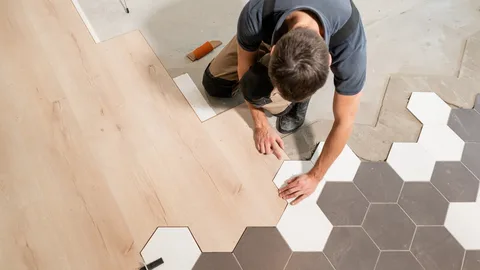
A well-managed project normally includes reviewing the room, measuring the installation area, preparing the existing surface, planning material layout, installing the selected flooring, and finishing transitions or edges. Laminate flooring installation may require attention to expansion spacing and transition areas, while residential flooring installation across several rooms needs consistent planning where surfaces connect.
Installers should also discuss how doors, trim, cabinets, thresholds, and adjoining floors affect the project. These details can change installation height and finishing requirements. Careful planning reduces last-minute adjustments and helps the completed flooring look intentional throughout the room rather than simply placed over an existing surface.
Choosing Hardwood for Warmth and Long-Term Style
Hardwood remains a popular flooring choice because it brings natural character into living rooms, bedrooms, hallways, and other interior spaces. Still, homeowners should choose hardwood with practical room conditions in mind. The species, board dimensions, finish, subfloor, indoor environment, and maintenance expectations can all affect how the finished floor performs after installation.
Matching Hardwood to the Home
Property owners considering expert Flooring Installation Services should begin by thinking about daily activity. Busy households may prioritize finishes and wood options that better suit frequent foot traffic, while homeowners focused on design may pay closer attention to grain, tone, plank width, and how the floor coordinates with cabinetry and trim.
For homeowners considering hardwood flooring installation in Hammond, IN, the company’s Hammond page specifically identifies hardwood among its flooring options and emphasizes selecting materials around the home’s design and lifestyle.
Professional hardwood flooring installation also requires attention to transitions, room dimensions, and the condition of the surface below. Installers should inspect the area before installation rather than assuming every room is immediately ready for new material. When existing floors are heavily worn or damaged, flooring replacement services can also provide an opportunity to correct underlying issues before the new hardwood is installed.
A good hardwood decision balances appearance with how the room will actually be used for years to come.
Laminate Flooring for Practical Interior Updates
Laminate can be a practical choice for homeowners who want an updated floor with a range of available styles. However, successful results still depend on preparation and correct installation. Uneven surfaces, poor transitions, inadequate spacing, or careless layout can affect how the floor looks and feels even when the selected material itself is suitable for the room.
Planning a Smooth Laminate Installation
Before trusted Flooring Installation Services begin, installers should examine the existing surface and determine how the laminate will meet doorways, baseboards, adjoining rooms, and other flooring materials. The layout should also avoid awkward narrow pieces where possible, particularly in visible areas.
Professional laminate flooring installation works best when installers consider room dimensions before laying the first section. Proper preparation supports a flatter finished surface, while careful spacing allows the floor system to perform as intended. Homeowners should also discuss maintenance requirements and suitability for the specific room before making a final choice.
For larger remodeling projects, residential flooring installation may combine laminate in some areas with different materials elsewhere. For example, homeowners might prefer laminate in living spaces while selecting tile for rooms that experience greater moisture exposure. Planning these transitions early creates cleaner connections between rooms and helps the overall interior feel coordinated rather than pieced together.
Using Tile Where Durability and Easy Care Matter
Tile works well in many kitchens, bathrooms, entry areas, and other spaces where homeowners value durability and straightforward cleaning. Yet tile is less forgiving of poor preparation than some other flooring materials. A weak or uneven surface underneath can affect grout lines, alignment, and long-term performance, so the preparation stage deserves just as much attention as material selection.
Preparing for Accurate Tile Layout
A quality tile flooring installation begins with checking the installation surface, planning the layout, and determining where cuts will fall. Installers should consider room shape, doorways, fixtures, cabinets, and visible focal points before setting tile. This planning helps avoid irregular edges and creates a more balanced finished appearance.
Homeowners exploring tile flooring installation in Merrillville, IN can find flooring among the local services listed by S & K Construction. Its Merrillville page describes hardwood, laminate, and tile options as part of its flooring work.
Tile can also form part of a broader residential flooring installation project when homeowners update several areas at once. In those cases, installers should plan height changes between tile and nearby materials so transitions remain practical and visually clean. Proper layout, surface preparation, consistent spacing, and careful finishing all contribute to a floor that looks professionally planned rather than simply covered with new material.
Knowing When Existing Flooring Should Be Replaced
Flooring often shows gradual signs of age before homeowners decide to update it. Scratches, loose areas, stains, damaged sections, cracked tiles, worn finishes, or outdated materials may eventually affect both appearance and everyday use. However, not every problem automatically requires complete replacement. The existing floor should be inspected first so the scope of work matches its actual condition.
Repair, Removal, or Full Replacement
Certified Flooring Installation Services should consider the condition of both the visible flooring and the surface beneath it. If damage affects only a small area, limited corrective work may sometimes be possible. In contrast, widespread deterioration, repeated movement, moisture damage, or a planned whole-room renovation may make flooring replacement services the more practical approach.
Homeowners should also think about how new flooring connects with the rest of the house. A replacement project can involve door clearances, baseboards, transitions, floor height, and nearby cabinetry. Meanwhile, laminate flooring installation or another new material may require different preparation than the floor being removed.
S & K Construction provides flooring work as part of its broader residential remodeling services in Northwest Indiana. A careful evaluation before removal helps homeowners understand what work is necessary and reduces the chance of discovering preventable installation problems after new materials have already been ordered.
Conclusion
New flooring can improve the appearance, comfort, and functionality of a home, but the best results depend on decisions made before installation starts. Material selection should reflect the room, household activity, maintenance preferences, and condition of the existing floor. Just as importantly, installers should evaluate the subfloor, transitions, doorways, trim, and surrounding surfaces so the new floor fits naturally into the existing interior.
Homeowners comparing options can choose hardwood flooring installation when they want natural character and traditional appeal, while laminate offers another practical option for many living areas. Tile may work particularly well where durability and easy cleaning are priorities. Each material has different preparation and installation requirements, so homeowners benefit from choosing based on actual room conditions rather than appearance alone.
For homeowners planning reliable residential flooring installation in Hammond, IN, careful measurement and surface preparation should remain part of the conversation from the beginning. Likewise, homeowners replacing older floors should understand what lies beneath the existing surface before selecting new material.
S & K Construction serves Hammond and surrounding Northwest Indiana communities with flooring and residential remodeling services. A thoughtful flooring project combines suitable materials, accurate preparation, skilled installation, and clear planning to create a finished surface that works well with the home for everyday use.
FAQ’s
How do I choose between hardwood, laminate, and tile flooring?
Consider the room’s moisture exposure, foot traffic, maintenance needs, design, and budget. Hardwood offers natural character, laminate provides versatile styling, and tile can work well in areas where durability and easy cleaning are priorities.
Does old flooring always need to be removed before new flooring is installed?
Not always. The answer depends on the existing material, condition, floor height, manufacturer requirements, and the type of new flooring. An installer should inspect the surface before recommending removal or installation over existing material.
Why is subfloor preparation important before flooring installation?
The subfloor supports the finished material. Uneven, damaged, loose, or moisture-affected areas can cause problems with alignment and long-term performance, so installers should address those concerns before new flooring is placed.
Can different flooring materials be used throughout the same home?
Yes. Homeowners often select different materials for different rooms. The installer should plan transitions, height differences, patterns, and visual connections so the flooring works together throughout the property.
How should homeowners prepare for a flooring project?
Clear furniture and personal belongings from the work area as directed by the contractor, discuss access and scheduling in advance, and confirm material choices before installation begins. Homeowners should also ask how existing flooring, trim, doors, and transitions will be handled.